AI Readiness Assessment

Most AI projects that stall were started in the wrong place. Know where your business stands before you spend: five free questions, two minutes, and you get a score, your weakest area and the first move that fits.

The cheapest AI project is the one you do not start on a broken foundation.

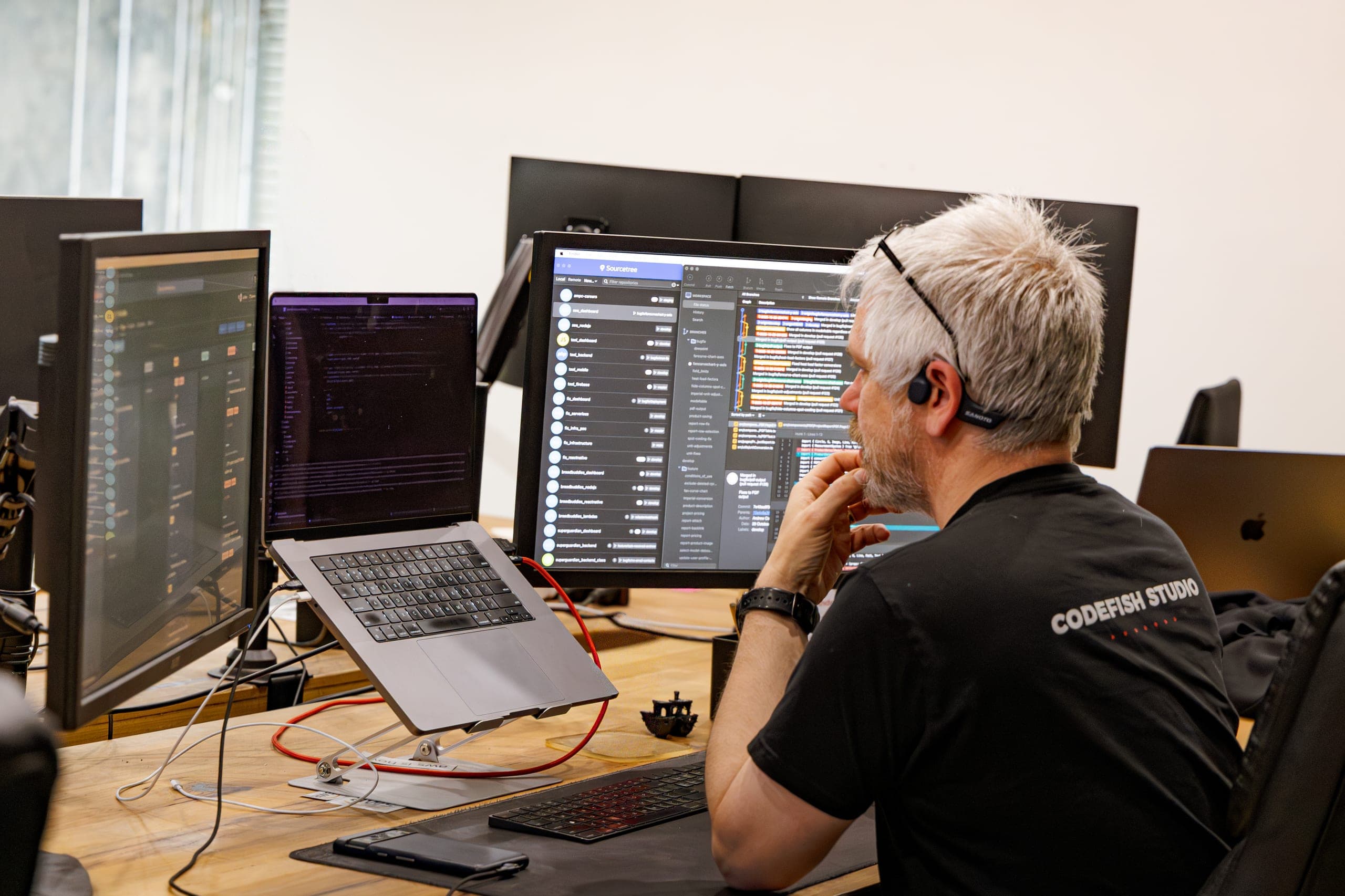
A CodeFish developer working across three monitors, reviewing code and version history

Why does it matter where you stand before you start?

Buying AI before you know where you stand is how a pilot ends up in a drawer. The data sits in systems that disagree, nobody wrote the rule down, or the job picked was interesting rather than expensive, and none of that shows up until money is spent. Only 10% of Australian businesses actively collect or analyse data to make decisions (ABS, 2024-25), so most start further back than they think.

Knowing your starting point changes the first move. A business that is not ready saves a build it would have abandoned. One that is ready skips the experiments and goes straight to work that pays. Either way, you spend on the right thing first.

What you get from the two-minute check

Five questions on how your business runs today. Your score shows straight away; add a work email to open the full read. No call to book.

A score out of 10

One number for where your business sits today, so you can stop guessing and tell your team the same thing.

Your weakest area

A chart across automation, knowledge, adoption, bottlenecks and AI vision shows which one will hold you back first.

Three moves, in order

The first step that fits your score, with rough timing, so the next decision is obvious rather than open-ended.

A PDF to share

Save your read and pass it to whoever signs off on spend, so the conversation starts from facts.

Where will your business land?

Every score maps to one of three stages, and each stage has a different first move.

AI Curious

Earlier than you thought, which is useful to know. Your first move needs no budget: one small build on a process you know well, proved before anything goes wider.

AI Aware

The instincts are there. Rank two or three builds by value against cost and run them in order, so the first one pays for the second.

AI Ready

The foundation is done. Build into your own systems and data rather than bolting on tools, so every build after the first costs less.

When you need the detail behind your score

The full assessment runs as a Rapid Insight Workshop at a fixed $9,000 + GST: two sessions with your team, then a written recommendation around three weeks later that you keep.

Review your data and systems

Where your data lives, how your systems connect, and what an AI agent or automation could actually reach. Fragmented data is the most common reason AI stalls, so it comes first.

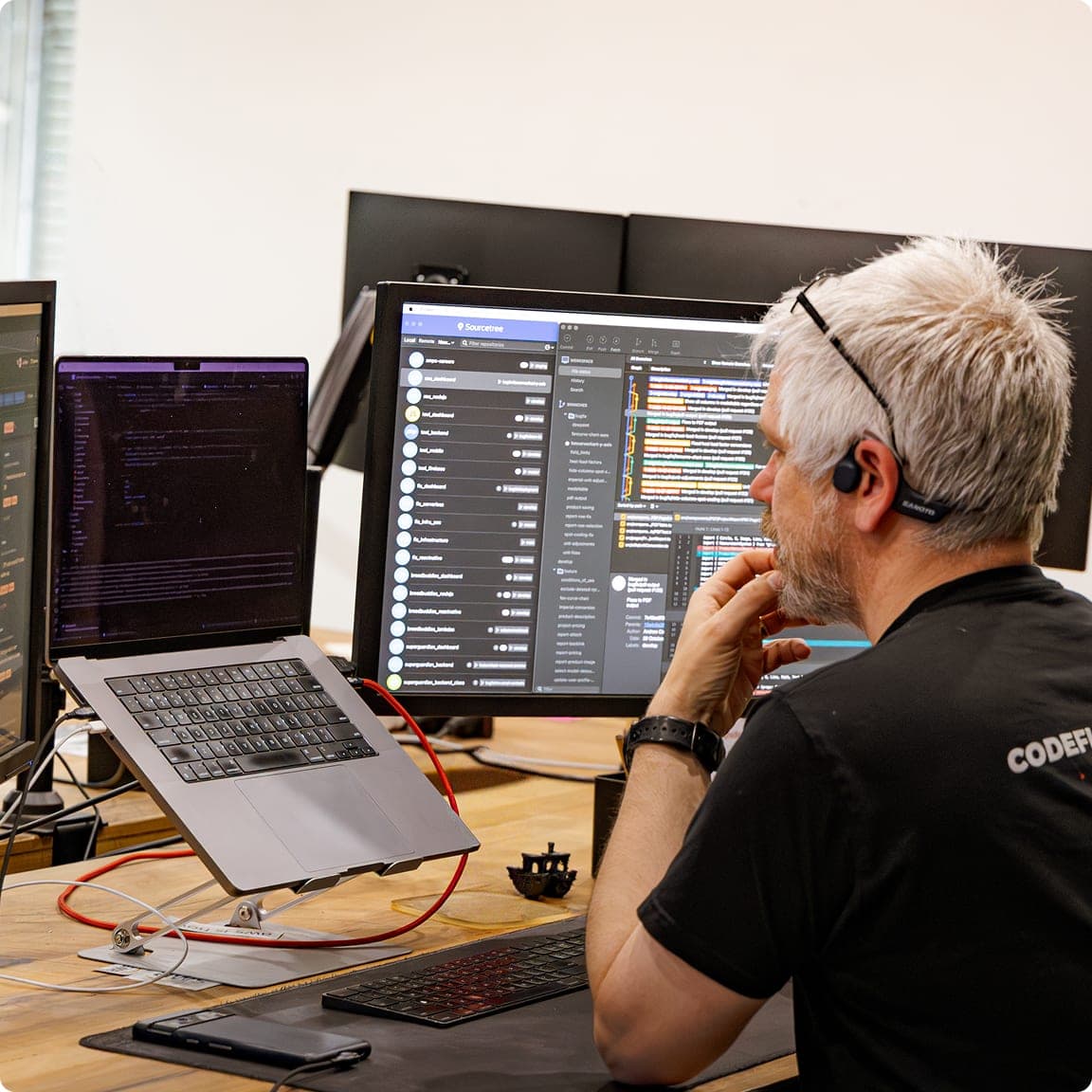
A CodeFish developer reviewing a project's commit history on screen

Test each use case

Every candidate job is checked against five tests: it happens often, the rules can be written down, the outcome can be counted, a wrong answer is survivable, and the data already exists.

CodeFish Studio team members in a workshop

Get a recommendation you can act on

The use cases worth pursuing, the gaps to close first, and a realistic order with effort for each. Yours to keep whether or not you build with us.

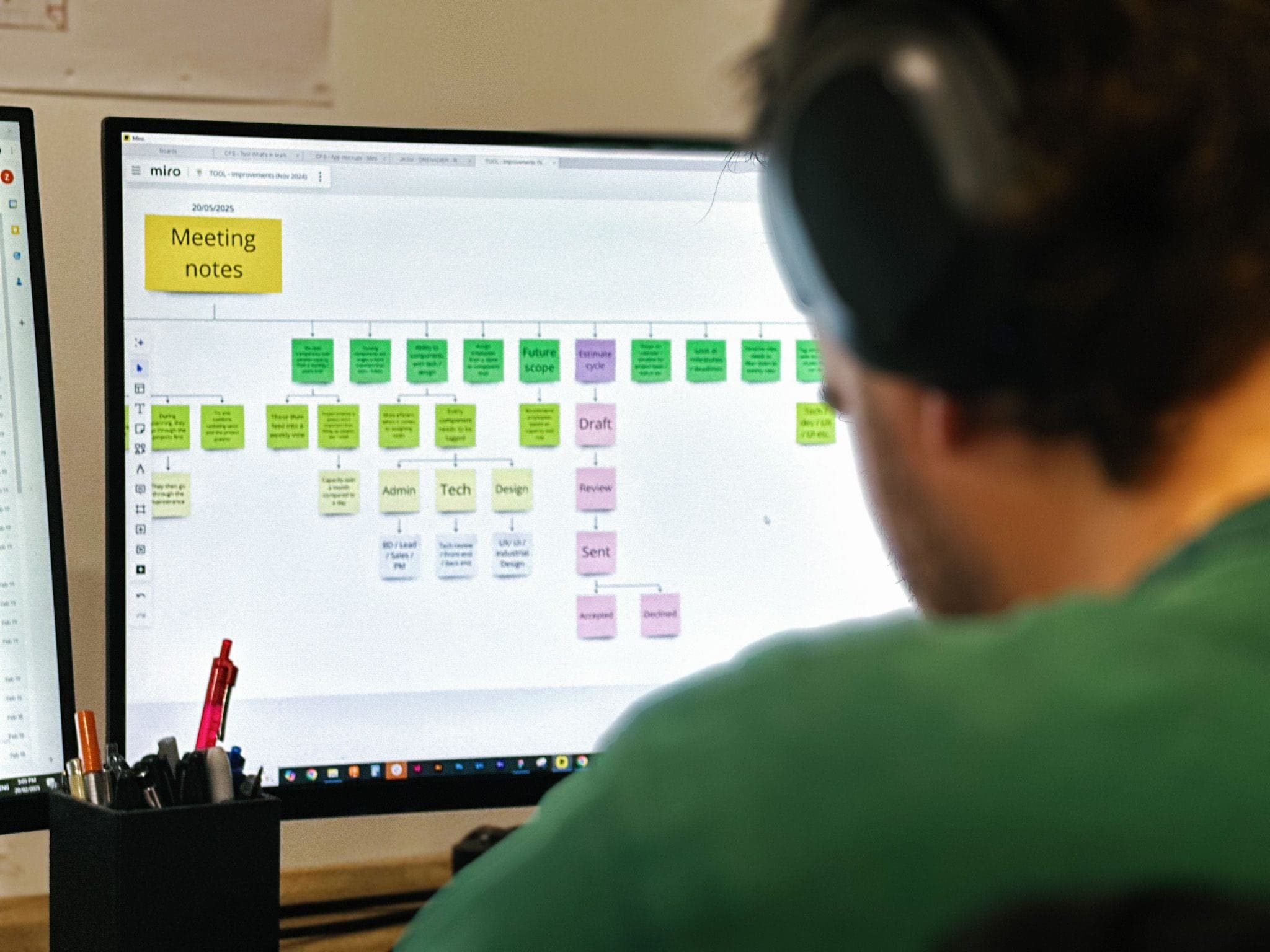
Person at a computer viewing an online whiteboard of notes and flow diagrams

AI readiness questions we get asked

Because a pilot tests the model, not your business. Most stall on data split across systems or a process each person runs differently, and you only find that out after the spend. Two minutes on the check tells you whether a pilot will stick or whether the foundation comes first.

Say a wholesaler wants AI to answer order-status emails. The assessment finds status in the ERP, dispatch updates in a carrier portal and back-order notes in a spreadsheet, so an AI reading only the ERP would give wrong answers. The recommendation: connect the carrier feed, retire the spreadsheet, agree the delivery-date rule, then pilot on one product line with a person approving replies.

That is a common and useful result, because it stops you spending on a build that would stall. Fixing it usually means connecting two or three systems and writing down a few rules, not a big programme. The recommendation sizes each gap so you can close them with your own team or with us.

Access to the data you already have, not clean data. We look at the accounting package, ERP, CRM or job system your team uses, plus the spreadsheets and inboxes between them. If most of it lives in people's heads, that is a finding too.

No. The report and roadmap are yours to act on with us, your own team or anyone else, and they are written so another team could pick them up.