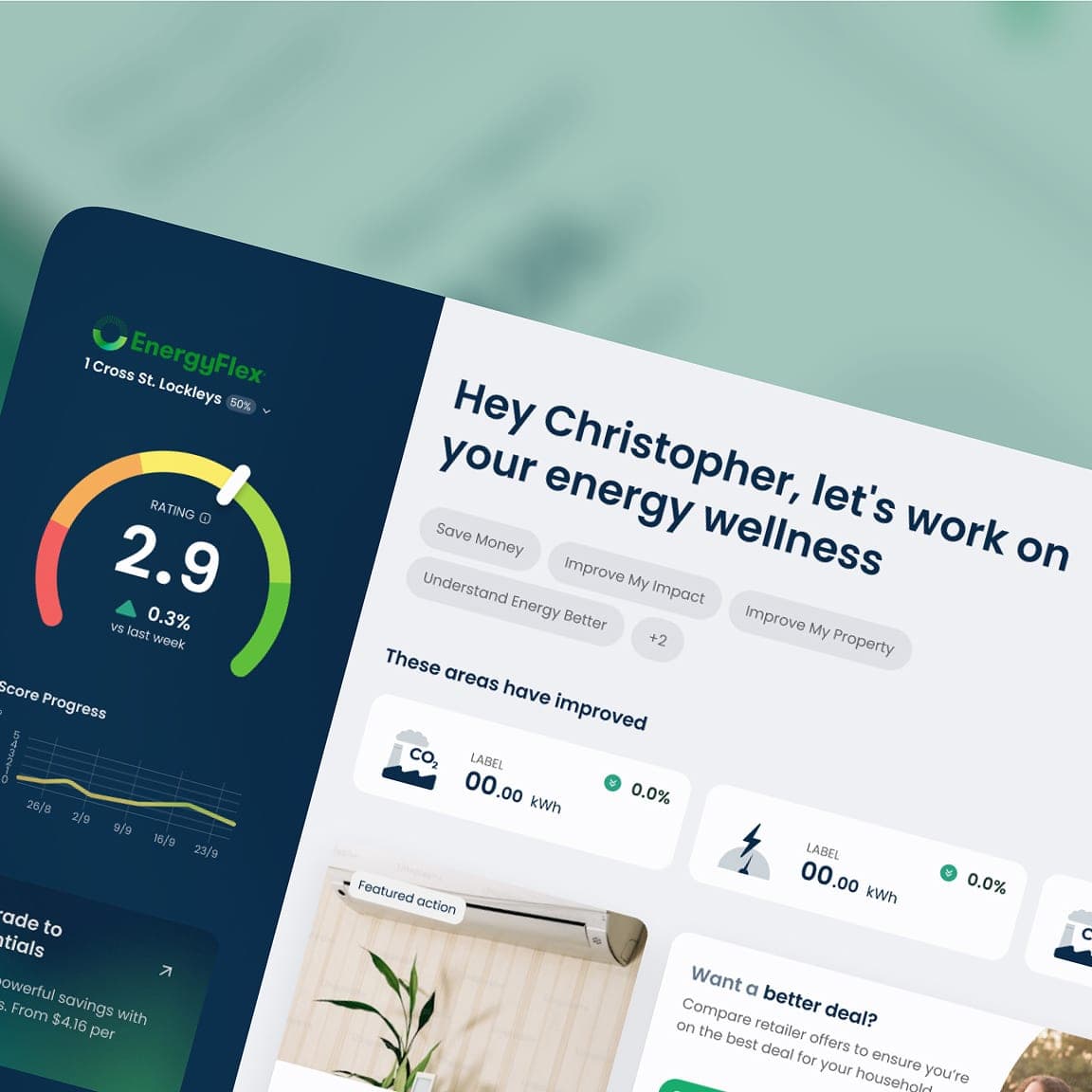
A customer self-service portal is a secure login where your customers do the routine jobs themselves: lodge a request, check its status, upload a document, book a time or pay an invoice. CodeFish builds them for Australian businesses whose staff spend their day answering calls and emails that a screen could answer. The portal reads from and writes to the systems you already run, so a request lands in the right queue with the details already filled in. Your team stops relaying information and starts handling the work that needs a person.
Should customers serve themselves?
A customer self-service portal lets clients, tenants or suppliers log in to book, track, upload and pay without phoning your team. It pays off when the same handful of requests fill most of your inbox. CodeFish scopes it in a $9,000 + GST Rapid Insight Workshop, then builds the first version as a fixed-price Ignite project.
If your team answers the same five questions all day, your customers want a login.
What is a customer self-service portal?
When should customers serve themselves?
Build one when the requests repeat
Status checks, rebookings, document uploads and copies of invoices make up most of the contact. A portal answers each one in seconds, at any hour, and the phone gets quieter.
Hold off when every case is different
If most calls need judgement, a negotiation or a site visit, a portal adds a step rather than removing one. Fix the triage first and keep the conversation.
Build one when several parties touch a job
Tenants, landlords and trades, or clients and subcontractors, each see their own part of the same record. Nobody waits for an email to find out what changed.
Buy one when your process is standard
Helpdesk and booking products cover common cases well and cost less than a build. We will say so in the workshop if that is the answer.
A portal customers finish on their own
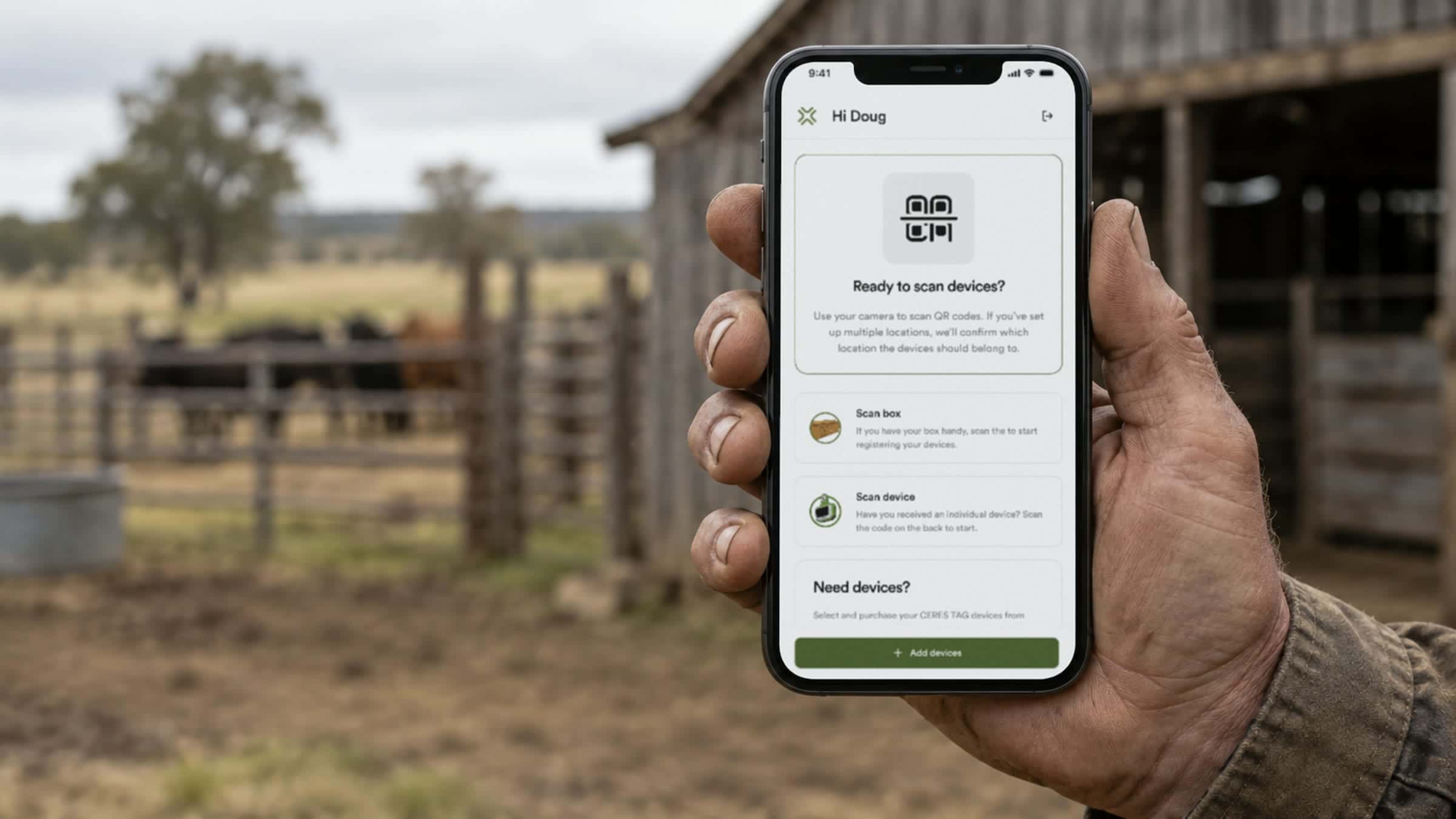
What should a portal handle first?
Count the requests (Rapid Insight Workshop)
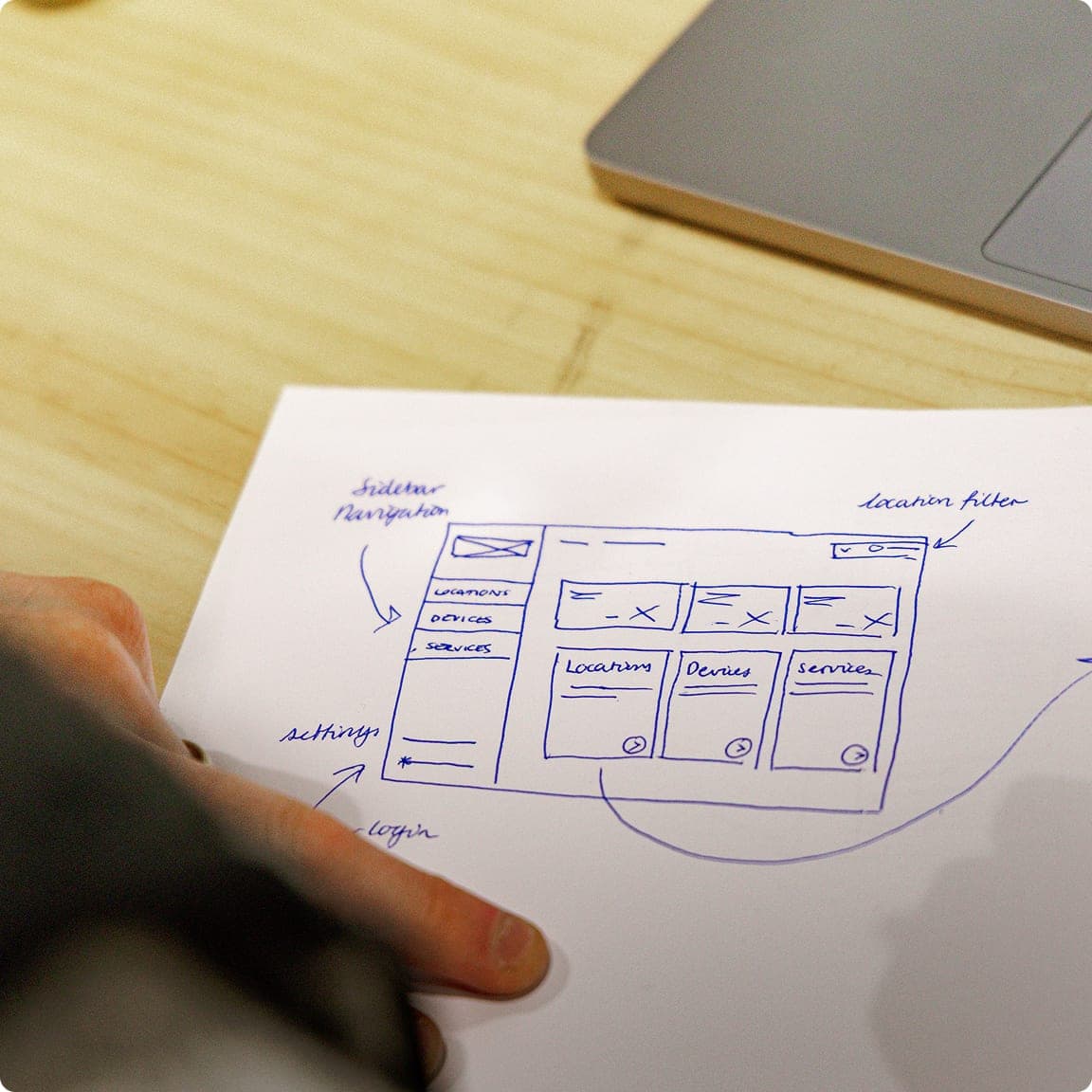
Two sessions with the people who answer the phones, then a costed scope around three weeks later. We rank requests by volume and by how much staff time each one takes, so the portal starts where it saves the most.
Ship one journey (Ignite)
The highest-volume request goes live first, connected to the system that holds the answer. Real customers use it within weeks, and the call log shows whether it worked.
Add the next requests
Bookings, payments and document uploads follow, each judged on what the first journey saved. The portal grows where customers actually use it, not where the planning room guessed.

What does a customer portal cost?
The first step is a Rapid Insight Workshop at a fixed $9,000 + GST, and you own the scope whether or not we build it. The build is priced in that workshop, because scope and integration move the cost far more than screen count. A single journey connected to one system fits a fixed-price Ignite project. A portal with accounts, payments and several integrations is a fixed-price Amplify build (typically from $100K), and ongoing improvement runs as an Apex partnership (from $15K a month). For the build itself, see our web app development service.
Customer portal questions we get asked
They will if it is faster than calling. Most portals fail because the first screen asks for an account before it answers anything. Start with the one request customers make most, keep sign-up to the minimum, and measure calls before and after.
No. It removes the relaying, so the same team handles more customers and spends its time on the cases that need a person. Most businesses use the time to grow without adding headcount rather than to cut staff.
Yes, and it should. The portal reads and writes through your existing systems, such as Xero, MYOB, your CRM or your job system, so there is one copy of the truth. Where a system has no usable API, the workshop finds it before the build is quoted. See systems integration for how that part works.
Around three weeks for the workshop, then weeks rather than months for the first journey as an Ignite project. Bigger portals with payments and several user types run longer as Amplify builds, scoped and quoted before work starts.
You do. The code and IP are yours, documented and handed over, so you can extend it with us or take it to another team.
It starts with a $9,000 + GST Rapid Insight Workshop, and the build is quoted from that scope. The cost section above explains what moves the price.
How we deliver portal work

Web App Development
A custom web app built in Adelaide starts with a $9,000 + GST scoping workshop, then is quoted fixed price as an Ignite prototype or an Amplify build (typically from $100K). Most builds take two to 12 months, include a 12-month warranty, and you own the code.

Rapid Insight Workshop
A Rapid Insight Workshop is two sessions with your key people that map how work really gets done and where time and money are lost. It costs a fixed $9,000 + GST, and about three weeks later you get a prioritised roadmap, a business case and a product specification you keep either way.
What's this costing you per year?
Every hour your team spends relaying information is paid at the full employer cost, not the salary. In Australia that runs at 1.38 to 1.48 times base pay once 12% super, payroll tax, workers compensation, leave loading and management time are added, so a customer service officer on the median full-time pay of about $73,500 (Jobs and Skills Australia 2025) costs about $101,000 to $109,000 a year. If half that role is status checks and rebookings, the phone queue is costing you around $52,000 a year, before the customers who give up waiting. An offshore assistant in the Philippines runs about $30,000 to $45,000 a year through an agency (VA Masters 2026), plus the time to brief and check their work, a two to three hour time difference, and care over who can see customer data. Hiring a senior developer to build the fix in-house costs $177,000 to $190,000 a year all in for Adelaide, plus a 15 to 22% recruitment fee and months of hiring. A workshop at $9,000 + GST tells you which number applies to you.