iOS, Android or both?

For most business apps the answer is both, built once in React Native and shipped to the App Store and Google Play together. Pick one platform first only when you know exactly which phones your users carry, and we will tell you which in a two-session workshop.

Your users already chose their phones. The app has to meet them there.

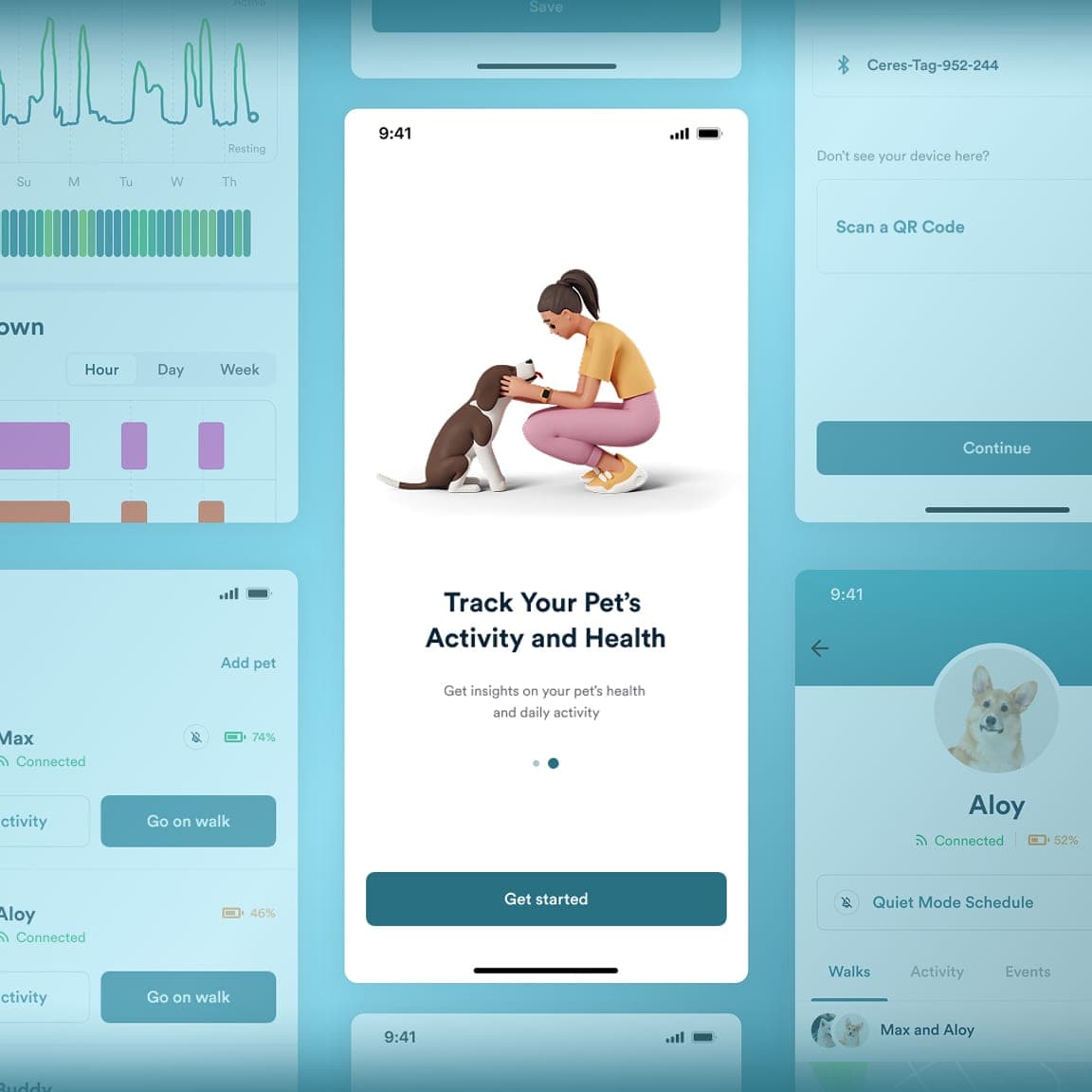
Pet tracking app screens showing onboarding, device pairing, activity charts and pet profiles

What does picking the wrong platform cost?

Australians split roughly half and half between iPhone and Android, so an iOS-only launch can leave out close to half the people you built it for. The opposite mistake costs money: two separate native apps mean two codebases, two teams and every feature paid for twice.

The fix is to start from who opens the app and where. Customers skew to iPhone, field staff often carry rugged Android handsets, and a public service has to reach everyone. Get that right and you launch to the people who matter in one release, at one build cost.

iOS first, Android first, or both?

Start from who uses the app, not which phone the project sponsor carries.

iOS first

Customer-facing apps where your buyers skew to iPhone and spend more in-app. You learn from paying users sooner.

Android first

Staff apps on company-issued rugged devices, scanners or tablets. One platform to test and support, because you control the hardware.

Both at once

Public services and any app where you cannot pick the user's phone. One React Native codebase reaches everyone from launch day.

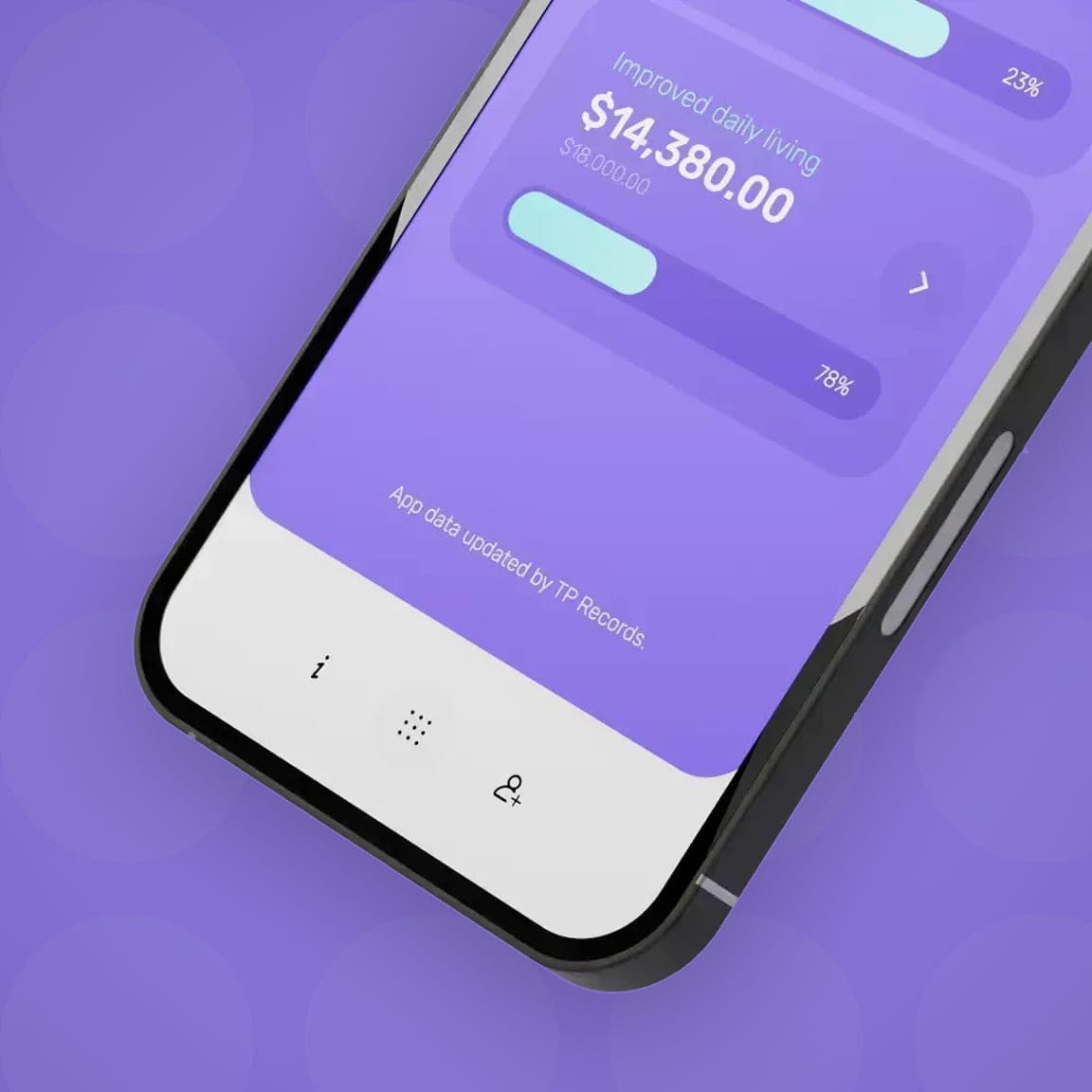
Phone screen showing a funding balance of $14,380.00 against an $18,000 budget with progress bars

Should you build native or cross-platform?

Most business apps we build use React Native: one codebase, both stores, one team to maintain it, and features that land on iPhone and Android in the same release. Fully native Swift and Kotlin earns its extra cost only when the app pushes the camera, Bluetooth hardware or heavy graphics hard.

We make that call per project in the workshop, with reasons, before any build is priced. If you are weighing frameworks too, read our Flutter vs React Native comparison. You leave knowing which path costs less to run for the life of the app.

How we get your app onto both stores

Decide the platform with evidence

A $9,000 + GST Rapid Insight Workshop looks at who your users are and what the app must do, then sets the platform, framework and a costed v1.

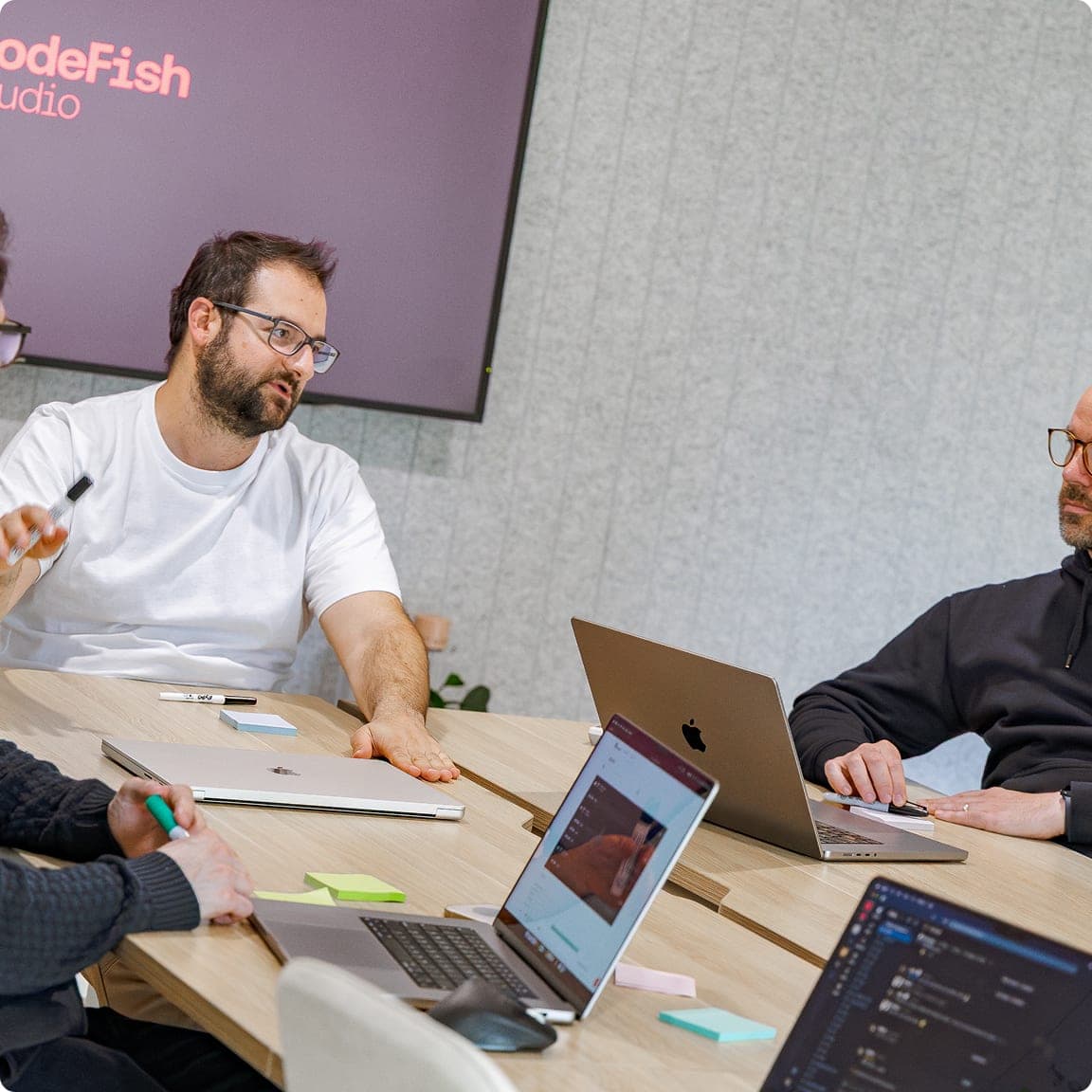
Two CodeFish team members in discussion across a meeting room table, one taking notes

Build and test on real phones

Sprint builds you install on iPhone and Android as we go, so platform quirks surface in week two, not launch week.

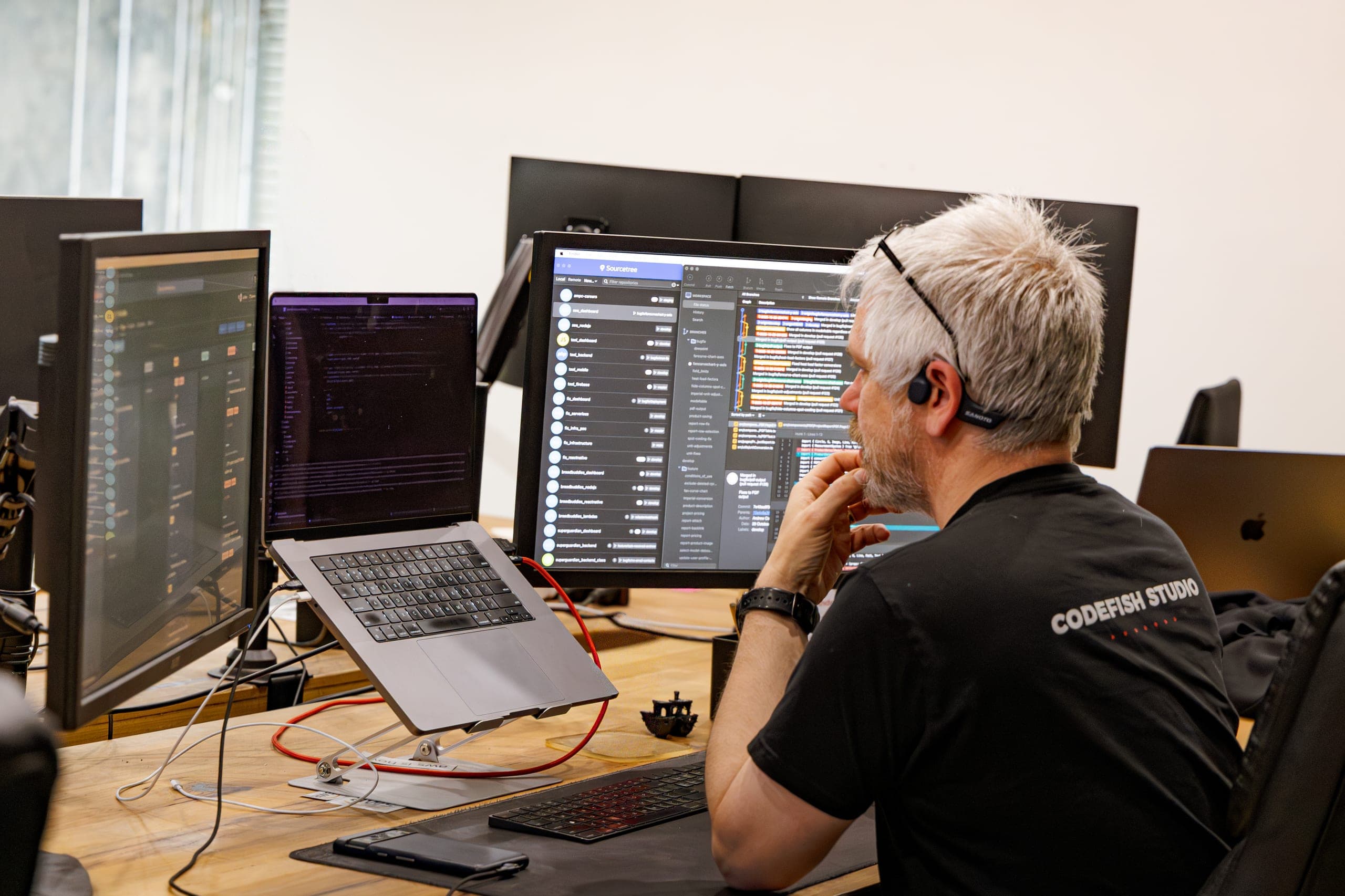
A CodeFish developer working across three monitors, reviewing code and version history

Ship to both stores and stay on

We handle App Store and Google Play review, back the launch with a 12-month warranty and keep the app current as iOS and Android update. You own the code.

Four CodeFish team members working through a problem around a table of laptops, CodeFish Studio sign on the wall

iOS and Android questions we get asked

Australia leans slightly to iPhone, with Android close behind, so neither platform alone reaches everyone. Your own users matter more than the national split: check your web analytics or customer data for the devices they already use.

Yes. Built in React Native, the second platform is mostly testing and store setup, not a rebuild. Built natively, it is a second app, so decide early if both are likely.

Not with one cross-platform codebase. Expect a modest uplift for testing and two store submissions, not double. Two native apps do cost close to double, which is why we recommend them only when the app needs it.

Yes. Apple reviews every release and is stricter on payments, privacy prompts and sign-in options; Google reviews faster. We handle both submissions and plan the app around Apple's rules so neither store holds up launch.

Apple and Google ship major updates every year, and an app that is not kept current starts to break. We stay on for maintenance, monitoring and new features under a 12-month warranty, and you own the code either way.

Ready to build something great?

Local partners, global standards – full service design and development.